
This is the October 2026 edition of our monthly digital marketing updates: the changes from roughly the last 30 days that affect what a small team should do, spend or check. Each item gives the date, who it affects, one action and a linked source, so you can work through the list in about 10 minutes.
Updated 20 October 2026
In short
1. Meta adds product browsing to existing Facebook and Instagram ads from 28 October unless you opt out. 2. Google Ads started adding promotions from your website to some campaigns on 12 October, switched on by default. 3. Google now calls a human fact-check of every AI-written page, title and alt text “critical”.
Search and AI search
Google adds more links to AI Mode and AI Overviews
What changed: On 15 October 2026, Google said it has substantially increased inline links in AI Mode and AI Overviews and shows them higher in answers. News carousels are expanding to more locations and will highlight each user's Preferred Sources, and Google says use of Preferred Sources has grown more than 7 times since the start of the year. Search Engine Roundtable notes that Google still shares no click data for these links.
Who it affects: Any business or publisher that wants to be cited in Google's AI answers.
What to do: Add the Preferred Sources button to your site using our preferred sources guide, then test your key pages with our free AI citation readiness checker. Our post on the Search Console generative AI report explains what you can measure meanwhile.
Source: Google blog, Search Engine Roundtable.
Google says every AI-written page needs a human fact-check
What changed: On 1 October 2026, Google updated its guidance on using generative AI content to say "It is critical to manually factcheck and review all AI-generated content." The review covers titles, meta descriptions, structured data and image alt text, and the page now points to the quality rater sections on scaled content and low-effort content, as Search Engine Roundtable reported the same day.
Who it affects: Anyone who publishes AI-assisted blog posts, product pages or descriptions.
What to do: Add a named human fact-check step to your publishing checklist that covers the body text, title, meta description, structured data and alt text.
Source: Google Search Central, Search Engine Roundtable.
The September 2026 spam update has finished
What changed: The update that started on 24 September 2026 finished on 8 October 2026, according to Search Engine Roundtable. Google's Search Status Dashboard lists a duration of 13 days and 16 hours.
Who it affects: Any site that saw ranking or traffic changes in late September or early October.
What to do: In Search Console, compare clicks for the two weeks after 8 October with the two weeks before 24 September, then work through the checks in our September spam update guide if you dropped.
Source: Google Search Status Dashboard, Search Engine Roundtable.
Ads and social platforms
Meta adds product browsing to existing ads from 28 October
What changed: A Meta notice to advertisers, reproduced by PPC Land on 15 October 2026, says product browsing will be added to existing Facebook and Instagram ads from 28 October 2026. People who tap an ad may first see an in-app page with product details and suggestions before your website. Relevant Audience reports Meta cites an average of 3% more conversions from an August test, and that Meta had published no help page on the change as of 16 October.
Who it affects: Shops and service businesses running Facebook or Instagram ads that send people to their own site.
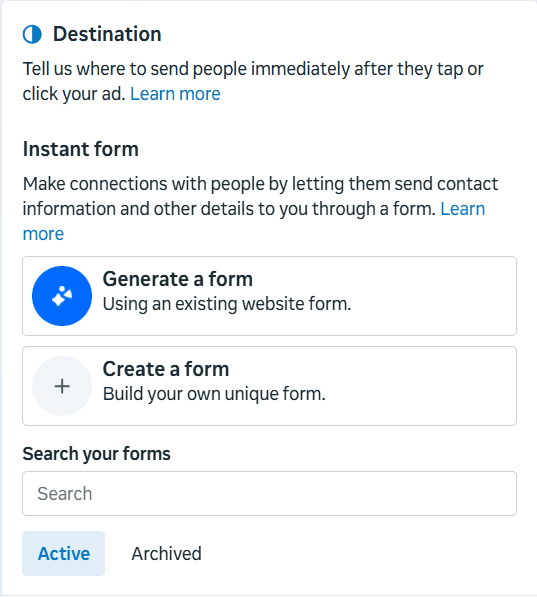
What to do: Decide before 28 October. If you want clicks to go straight to your site, use the Opt out button in the notice, or turn product browsing off per ad in the Advantage+ creative and destination settings.
Source: PPC Land, Relevant Audience.
Google Ads now adds promotions from your website automatically
What changed: From 12 October 2026, Google Ads began pulling coupons and deals from advertiser websites into Search and Performance Max campaigns that have location assets and no promotion assets, according to a Google email reported by Search Engine Roundtable. It is on by default, and PPC Land reports the off switch works for the whole account. Google's automated assets help page confirms these promotions serve in campaigns that use location assets.
Who it affects: Local businesses with location assets in Google Ads.
What to do: Open the account-level automated assets settings and set Automated Promotions to Off if your site shows expired, member-only or limited offers.
Source: Search Engine Roundtable, PPC Land, Google Ads Help.
Display Network in Search campaigns moves to channel priorities
What changed: Google Ads Help says that starting in February 2027, all Search campaigns with Display Expansion enabled will move to channel prioritisation and budget allocation, and the current spend setup will go away. To keep today's behaviour, Google suggests setting the Display Network to Low priority with a 50% daily budget allocation. ZATO Marketing covered the change on 14 October 2026.
Who it affects: Advertisers whose Search campaigns also show on the Display Network.
What to do: List every Search campaign with the Display Network on, and either set Display to Low priority with a 50% allocation or switch Display off before February.
Source: Google Ads Help, ZATO Marketing.
ChatGPT tests visual ads and adds measurement partners
What changed: On 5 October 2026, OpenAI announced a visual ad format shown during image generation to Free and Go users, with US testing starting later in October with an initial group of advertisers. It also listed conversion and attribution partners including Hightouch, Tealium, LiveRamp, AppsFlyer, Triple Whale and Northbeam. BleepingComputer reports the test is limited to the US.
Who it affects: Brands selling in the US, mainly ecommerce and consumer services.
What to do: If you sell in the US, check access at ads.openai.com and whether your current attribution tool is on OpenAI's partner list.
Source: OpenAI, BleepingComputer.
Email and analytics
ChatGPT visits briefly showed up as direct traffic
What changed: After GPT-6 launched in October, ChatGPT links lost their utm_source tag (a label added to a link so analytics knows where a visit came from). Search Engine Land reported on 15 October 2026 that Adobe's Cedric Huesler saw ChatGPT visits fall by about 31,000 a day across roughly 500 pages while direct visits rose by about 26,000. Search Engine Roundtable added that on 15 October Huesler called it a bug and said the tags were back.
Who it affects: Anyone reporting on AI referral traffic in GA4 or another analytics tool.
What to do: Add an annotation for 7 to 15 October in your analytics so nobody reads the dip as lost AI traffic in next month's report.
Source: Search Engine Land, Search Engine Roundtable.
Google Tag Manager can send data without a separate Google tag
What changed: Search Engine Land reported on 13 October 2026 that Google Tag Manager containers can now send measurement data straight to Google destinations such as GA4 and Google Ads. Google's help page lists the benefit as sending data "directly to your Google destinations without loading gtag.js", the separate Google tag script.
Who it affects: Sites that run GA4 or Google Ads tracking through Google Tag Manager.
What to do: Open your container's Overview page, follow the banner to add the Google tag settings to your workspace, test in Preview mode, then click Submit.
Source: Google Tag Manager Help, Search Engine Land.
AI tools and costs
GPT-6 reaches free ChatGPT users
What changed: OpenAI started rolling out GPT-6 to paid ChatGPT plans on 7 October 2026, and the ChatGPT release notes say it reached Free and Go users on 8 October with the GPT-6 Luna model. Answers can now mix text, visuals and interactive tools, so what your customers see in ChatGPT may have changed.
Who it affects: Every business whose customers ask ChatGPT for recommendations.
What to do: Ask a free ChatGPT account the five questions customers ask before buying from you, and note whether your business is named and which sites are linked.
Source: OpenAI, ChatGPT release notes.
ChatGPT Pro now comes in several usage tiers
What changed: On 29 September 2026, the ChatGPT release notes added a Pro plan at $500 a month and reopened Pro at $200 a month for new subscribers, as listed in October 2026. OpenAI's Pro tiers help page says the $100 tier gives 5 times Plus usage and the $200 tier 20 times, with the same core features. The ChatGPT pricing page notes that the Go plan "may include ads".
Who it affects: Small teams paying for ChatGPT, or deciding whether to.
What to do: Check how often you hit Plus limits in a normal week before you pay for a Pro tier, and move to the $100 tier if you are on $200 and rarely hit limits.
Source: ChatGPT release notes, OpenAI Help, ChatGPT pricing.
Legal and compliance
EU cookie consent rewrite is still a draft
What changed: A Council draft dated 2 October 2026 would let sites ask again for cookie consent four months after a refusal, down from six in the earlier text, and would still require consent for behavioural targeting, PPC Land reported on 9 October. EU ambassadors ended their 7 October meeting without a vote, according to The European Post. Acompli notes the current GDPR and national cookie rules still apply.
Who it affects: Any site with visitors from the EU that uses analytics or ad cookies.
What to do: Confirm your consent tool stores refusals with a date, and leave your banner settings as they are until a final text is published.
Source: PPC Land, The European Post, Acompli.
New items are added every Monday. Bookmark the resources hub for every edition: Digital marketing resources for the AI era.
Frequently asked questions
How often is this page updated?
Every Monday during the month. New items go into the matching section, and the date under the introduction shows the last update.
Why is an item missing from this list?
An update only makes the list if it changes what a small team should do, spend or check, and if we can link a source for it. Minor feature releases are left out.
Is this legal advice?
No. The legal and compliance items summarise public reporting. Check the official text or ask a lawyer before you change consent, data or advertising practices.
Sources
- Google, "Updates to AI Mode and AI Overviews to help you explore the web", 15 October 2026.
- Google Search Central, "Guidance on using generative AI content on your website", updated 1 October 2026.
- Google, "Google Search Status Dashboard: ranking incident history", accessed October 2026.
- Google Ads Help, "Channel prioritisation and budget allocation", accessed October 2026.
- Google Ads Help, "About account level automated assets", accessed October 2026.
- Google Tag Manager Help, "Google tag in Tag Manager", accessed October 2026.
- OpenAI, "New ChatGPT ads format and measurement", 5 October 2026.
- OpenAI, "GPT-6 and Intelligent UI for everyone", 7 October 2026.
- OpenAI, "ChatGPT release notes", accessed October 2026.
- OpenAI Help, "ChatGPT Pro tiers", accessed October 2026.
- ChatGPT, "Pricing", accessed October 2026.
- Search Engine Roundtable, "Google updates links in AI Mode and AI Overviews again", 15 October 2026.
- Search Engine Roundtable, "Google: manually factcheck and review AI-generated content for accuracy", 1 October 2026.
- Search Engine Roundtable, "Google search ranking volatility and chatter spikes today", 16 October 2026.
- Search Engine Roundtable, "Google Ads to automated promotions for some Search campaigns on October 12th", 5 October 2026.
- Search Engine Roundtable, "OpenAI drops UTM parameters from ChatGPT results", 14 October 2026, updated 15 October 2026.
- Search Engine Land, "ChatGPT appears to drop UTM tracking", 15 October 2026.
- Search Engine Land, "Google Tag Manager update promises faster websites and simpler tracking", 13 October 2026.
- PPC Land, "Meta will turn on product browsing in existing ads on October 28", 15 October 2026.
- Relevant Audience, "Meta product browsing turns on 28 Oct: how to opt out", 16 October 2026.
- PPC Land, "Google Ads will auto apply website coupons to some campaigns from October 12", 6 October 2026.
- ZATO Marketing, "Google Ads Display Network budget change: what to do before February 2027", 14 October 2026.
- BleepingComputer, "OpenAI will show visual ads in ChatGPT while you generate images", 5 October 2026.
- PPC Land, "EU Council draft cuts cookie re-prompt wait from 6 months to 4", 9 October 2026.
- The European Post, "Ambassadors weigh Digital Omnibus cookie rules on Sunday vote", 11 October 2026.
- Acompli, "Digital Omnibus GDPR and cookie reforms stall without a Council mandate", 24 September 2026.
Related guides in this series
- Measuring your search visibility in 2026, a quick guide
- SEO + GEO action plan for small business owners
- Google’s AI Overviews now auto-expand: what to check this week
- Digital marketing resources for the AI era
Short on time to act on these changes?
MiinDigital helps small teams with SEO, AI search visibility, ads and tracking set-up, so updates like these get handled each month. See the services →
Published: October 2026 | Author: Minh Pham | Drafted with AI, fact-checked and edited by Minh Pham
Leave a Reply
You must be logged in to post a comment.